
Latest
Advocating for Those Who Serve: The Essential Role of Social Workers in Military and Veteran Communities
 Herzing Staff
 Jan 6, 2026
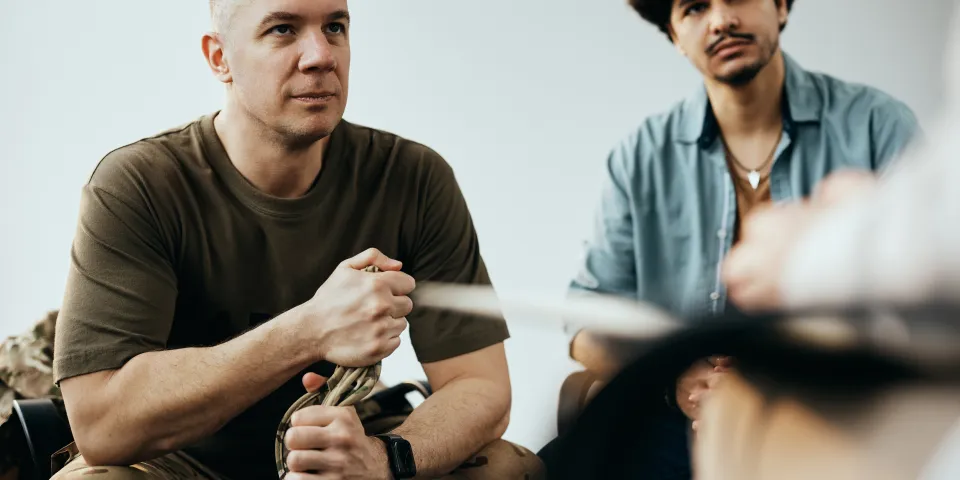
Social workers play a vital role in supporting veterans, active-duty service members and their families as they navigate the complex transitions associated with military life, deployment and reintegration into civilian society. Whether addressing mental health concerns, family stress, housing stability or community reintegration, social workers bring a compassionate, evidence-based approach to helping those who have served.
Supporting Service Members Across Multiple Settings
The reach of social work within the military community is both broad and deep. Social workers may practice in a variety of settings, including with the armed forces themselves (active or reserve), in private practices specializing in veteran services or through veteran service organizations. This flexibility allows professionals to serve military populations in ways that align with their career goals and the unique needs of their communities.
In different branches of the military, from the Air Force to the Army to the Navy, social workers perform roles tailored to the unique stressors of military life. They support service members and families through deployment, assist with reintegration, provide crisis intervention, lead program planning initiatives and offer critical mental and behavioral health support. Some social workers also serve through the U.S. Public Health Service Commissioned Corps as behavioral health officers, responding to the rising needs among wounded warriors returning from combat with mental health and brain injury challenges.
The VA: A Leader in Social Work Employment
The U.S. Department of Veterans Affairs (VA) stands as the largest single employer of social workers in the nation, employing more than 18,000 professionals across hospitals, outpatient clinics and community programs. Within the VA and beyond, social workers provide a wide range of services, from crisis intervention and trauma-informed counseling to case management, advocacy and policy development aimed at improving veterans' well-being.
At the VA, social workers help veterans navigate resources, provide mental health therapy for conditions such as PTSD and substance abuse, assist with benefit applications, intervene during crises and ensure continuity of care as veterans move through different stages of recovery and reintegration.
Clinical Social Workers on the Front Lines
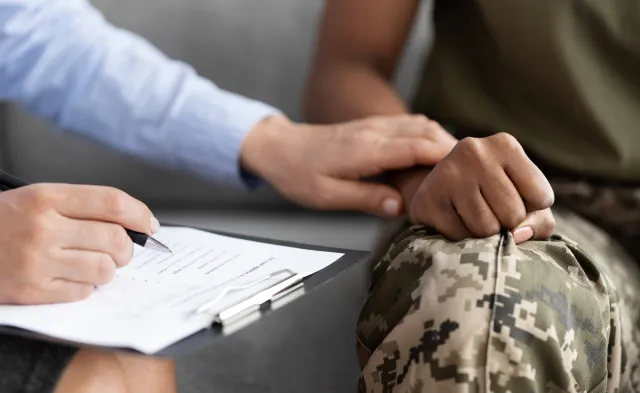
Clinical social workers are especially essential in military and veteran settings. They assess and treat mental health challenges such as post-traumatic stress disorder (PTSD), depression and substance use, helping veterans and service members build resilience and recover from the invisible wounds of war.
In 2020, an average of 1,487 clinical social workers supported the Department of Defense (DoD), providing mental health or substance use care. At specialized facilities like the National Intrepid Center of Excellence (NICoE), social workers are often a patient's primary point of contact when dealing with traumatic brain injury (TBI) or behavioral health symptoms such as depression, anxiety, sleep problems, trauma-related stress and difficulties in family relationships.
Treatment typically involves weekly or biweekly sessions using evidence-based interventions such as cognitive behavioral therapy (CBT), cognitive processing therapy, supportive therapy or therapy for insomnia, all tailored to each patient's unique needs. The role of social workers is central to recovery: they help service members process trauma, grief and loss, develop coping skills, navigate behavioral health challenges and support reintegration to duty or civilian life.
The DoD's commitment to psychological and behavioral health underscores an important truth: mental wellness is as vital to force readiness as physical health. Social workers are not providing ad hoc support but rather structured, clinically grounded care that is essential to long-term recovery and readiness.
Preparing the Next Generation of Military Social Workers
As the demand for behavioral health professionals continues to grow, social work offers a meaningful career path for those dedicated to honoring the service of others through advocacy, care and leadership. Yet serving military and veteran populations requires specialized training and cultural competence. Social workers in these settings must understand military culture, navigate complex benefits and resources within the DoD and VA systems, and address the biopsychosocial issues common to service members and veterans, including PTSD, TBI, substance use, family challenges and reintegration difficulties.
Educational institutions, like Herzing, with a commitment to military-connected students play an important role in training future providers and expanding the pool of professionals qualified to support these communities. Programs that offer flexibility, recognize prior military experience and provide tailored support help service members and veterans pursue degrees in social work and related fields.
Whether through Herzing BSW or MSW programs, veterans and active-duty personnel can leverage their military training and leadership experience as they transition into civilian careers focused on helping others. Stackable credentials, accelerated pathways and transfer-friendly options make higher education more accessible for those with the mobile lifestyles and unpredictable schedules that often accompany military service.
A Career of Service Beyond the Uniform
Social work within military and veteran communities represents more than a profession. It is a calling that allows individuals to continue serving those who have sacrificed for our country. From clinical practice to policy development, from crisis intervention to long-term therapeutic relationships, social workers stand alongside service members and their families during some of life's most challenging transitions.
For those with a BSW or MSW, or those considering entering the field, the military and veteran specialization offers diverse opportunities to make a lasting impact. Whether working directly with active-duty personnel, supporting veterans as they navigate the VA system or helping military families maintain stability during deployments, social workers are essential advocates for those who serve.
Learn More About Our MSW Program
* BLS pay estimates calculate the median annual wage for various occupations. Per the BLS the median wage for an occupation is: "The wage at which half of the workers in the occupation earned more than that amount, and half earned less. Median wage data are from the BLS Occupational Employment and Wage Statistics survey." Bureau of Labor Statistics (BLS), U.S. Department of Labor, Occupational Outlook Handbook 2025. BLS median wage estimates do not represent entry-level wages and/or salaries. Multiple factors, including prior experience, age, geographic market in which you want to work, and degree level and field, will affect career outcomes, including starting salary and earnings as an experienced employee. Herzing neither represents that its graduates will earn the median salaries calculated by BLS for a particular job nor guarantees that graduation from its program will result in a job, promotion, particular wage or salary, or other career growth.







Subscribe to our Newsletter
Get the latest news you need to know, from study hacks to interview tips to career advancement. Have it delivered right to your inbox biweekly.