
Latest
A Day in the Life of an ER Nurse
 Herzing Staff
 Feb 10, 2026
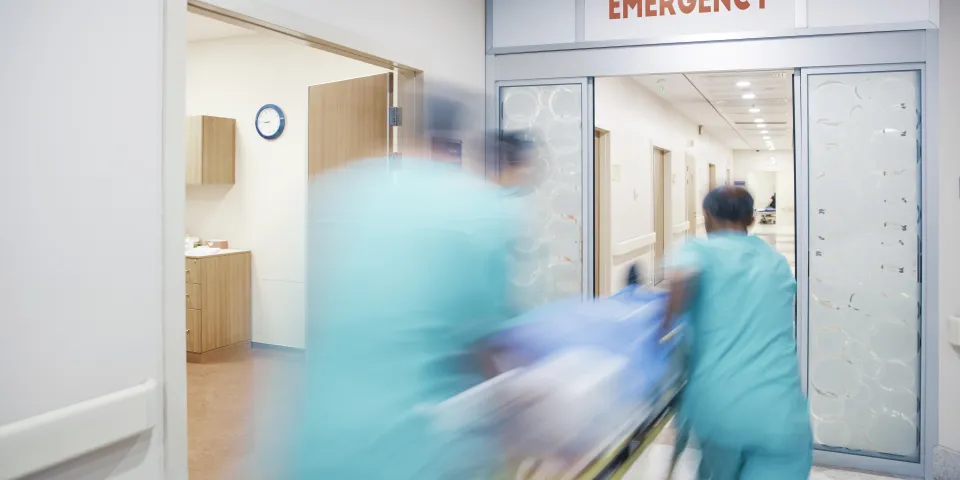
If you've been captivated by the intensity and drama of "The Pitt," you might be wondering what it's really like to work in an emergency room (ER). While Hollywood adds its own flair, the real experience of being an ER nurse is every bit as dynamic, challenging and rewarding as what you see on screen.
Emergency department nursing is not for the faint of heart, but for those drawn to fast-paced environments where critical decisions can save lives, it offers a uniquely fulfilling calling. Let's walk through what you can reasonably expect during a typical 12-hour shift in the ER.
Starting Your Shift
Your day begins before you even see your first patient. ER nurses typically start by reviewing their assigned rooms, stocking essential supplies and preparing for whatever comes through the doors. According to experienced ER nurses, this preparation is crucial because once patients start arriving, there's little time to hunt for equipment.
The morning routine might seem calm, but seasoned nurses know this is the quiet before the storm. You'll check your workspace, ensure medications are readily available and mentally prepare for the unpredictability ahead.
The Heart of Emergency Nursing: Triage and Assessment
One of your primary responsibilities as an ER nurse is triage, the critical process of rapidly assessing patients as they arrive to determine the urgency of their condition. You'll evaluate vital signs, review medical histories and make quick decisions about care priorities. Is this chest pain a heart attack or anxiety? Does this child's fever require immediate intervention?
This constant assessment and re-assessment defines much of your work. ER nurses encounter everything from minor injuries to life-threatening emergencies, and you must be ready to shift gears at a moment's notice. One minute you're treating a trauma patient with critical injuries, the next you're addressing someone with flu symptoms or a sprained ankle.
Hands-On Patient Care
Throughout your shift, you'll perform a wide range of clinical tasks. Starting IVs, drawing blood, administering medications, dressing wounds and assisting physicians during procedures are all part of your routine duties. The variety keeps the work interesting but also demands broad clinical knowledge.
Many ER nurses find that this specialty pushes them to develop skills across multiple areas, from trauma care to pediatrics, because of the diverse patient population and rapid turnover. You're constantly learning and expanding your expertise.
Documentation is another ongoing responsibility that gets squeezed between direct patient care. Charting must be thorough and timely, even when multiple patients need your attention simultaneously.
The Challenge of Multitasking Under Pressure
Perhaps the most demanding aspect of ER nursing is managing multiple patients with competing needs simultaneously. You might be monitoring one patient's critical condition while another requires medication, a third needs discharge education and a fourth just arrived and needs immediate assessment.
The ability to prioritize, stay calm under pressure and adapt quickly is essential. Skills like critical thinking, confidence, compassion and strong communication become your most valuable tools. You'll work closely with physicians, fellow nurses and technicians in a highly collaborative environment where clear communication can mean the difference between life and death.
Moments of Calm and Chaos
Not every moment of a 12-hour shift is high intensity. There are periods when you might restock supplies, refill your coffee or catch up on charting. But these calmer moments can evaporate instantly when an ambulance arrives with a critical patient or multiple emergencies hit at once.
The unpredictability is part of what makes ER nursing both challenging and exciting. Emergency nurses must develop resilience and the ability to provide both clinical excellence and emotional support to patients and families during some of their most vulnerable moments.
The Rewards of Emergency Nursing
Despite the stress and emotional demands, most ER nurses find the work deeply satisfying. The variety ensures that no two days are the same. The opportunity to make an immediate impact during critical situations provides a sense of purpose that's hard to find in other specialties. And constant learning keeps the work intellectually engaging.
Learn More About Our Nursing Programs
* BLS pay estimates calculate the median annual wage for various occupations. Per the BLS the median wage for an occupation is: "The wage at which half of the workers in the occupation earned more than that amount, and half earned less. Median wage data are from the BLS Occupational Employment and Wage Statistics survey." Bureau of Labor Statistics (BLS), U.S. Department of Labor, Occupational Outlook Handbook 2025. BLS median wage estimates do not represent entry-level wages and/or salaries. Multiple factors, including prior experience, age, geographic market in which you want to work, and degree level and field, will affect career outcomes, including starting salary and earnings as an experienced employee. Herzing neither represents that its graduates will earn the median salaries calculated by BLS for a particular job nor guarantees that graduation from its program will result in a job, promotion, particular wage or salary, or other career growth.






Subscribe to our Newsletter
Get the latest news you need to know, from study hacks to interview tips to career advancement. Have it delivered right to your inbox biweekly.