
Latest
How to Deliver a Performance Appraisal
 Herzing Staff
 Feb 10, 2026
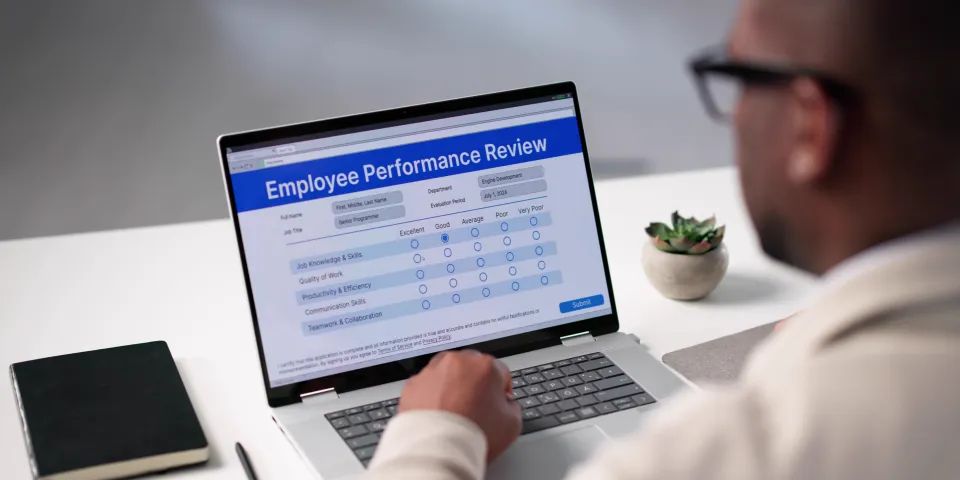
Performance reviews can make both managers and employees uncomfortable. But if you're the person giving the review, the pressure can feel even more intense. How do you provide honest feedback while maintaining a productive relationship? With the right approach, you can transform this dreaded task into a meaningful conversation that benefits everyone involved.
Rethink the Traditional Approach
Traditional performance reviews often catch employees off guard. Many managers avoid giving honest, direct feedback throughout the year because of poor training, fear of confrontation or workplace cultures that don't encourage open communication. The result? Employees hear about performance issues for the first time during their annual review.
Consider flipping the script. Instead of the manager leading the conversation with a prepared briefing, what if the employee took the lead? This method builds trust and transforms the review into a two-way dialogue. It fosters psychological safety, making it easier for both parties to share honest, productive feedback.
One effective framework involves asking employees to prepare answers to four key questions:
- What has gone well this year?
- What didn't go as well as expected?
- What are your most important goals for next year?
- What do you need from me to grow and succeed?
This approach shifts the dynamic from evaluation to collaboration and acknowledges that employees have valuable insights into their own performance.
Choose Your Words Carefully
The language you use during a performance review matters. Vague or subjective wording leaves employees confused about what they're doing well or what needs to change. Be specific and use concrete examples.
When discussing strengths, use action-oriented phrases that clearly describe what the employee is doing right. For example, instead of saying "You're creative," try "You continuously suggest new ideas that have improved our team's approach to client presentations."
When addressing areas for improvement, maintain the same level of specificity. Rather than saying "You need to communicate better," try "You could improve by providing more frequent progress updates on long-term projects." This gives the employee a clear, actionable path forward.
Consider organizing your feedback around key competencies like creativity and innovation, communication, accountability, productivity and collaboration. This structure helps ensure you're providing balanced, comprehensive feedback.
Make It a Continuous Conversation
A great performance appraisal shouldn't be a standalone annual event. It should be part of an ongoing performance management process. Regular check-ins throughout the year make the formal review much less stressful because there are no surprises.
These ongoing conversations should include clear expectations, balanced feedback that acknowledges both strengths and areas for growth and alignment between individual contributions and organizational goals. When employees understand how their work connects to the bigger picture, they're more engaged and motivated.
Create the Right Environment
The setting for your performance review matters. A formal conference room can reinforce the power dynamic and increase anxiety. Consider holding the conversation in a more relaxed setting, perhaps over morning coffee or in a casual meeting space. The goal is to reduce stress and create an atmosphere where honest dialogue can flourish.
Give employees adequate notice and ask them to prepare their thoughts in advance. This shows respect for their time and ensures they can participate as active contributors rather than passive recipients of feedback.
Ground Your Feedback in Data and Objectivity
The most effective performance reviews rely on objective data whenever possible. Reference specific projects, measurable outcomes and documented examples of performance. This approach makes your feedback more credible and helps ensure fairness and consistency across all employee reviews.
Organizations that prioritize results-oriented performance management systems connect individual accountability to organizational success. This means establishing clear, measurable performance elements at the outset and evaluating employees against those predetermined standards.
Focus on Development and Growth
The ultimate goal of any performance appraisal is to support employee development and organizational success. Yes, you need to address current performance issues, but you also need to look forward. What skills does this employee need to develop? What resources or support can you provide? What are their career aspirations, and how can you help them progress?
By framing the review as a developmental opportunity rather than a judgment, you create a more positive experience. Employees leave feeling valued and clear about their path forward.
The Bottom Line
Delivering a performance appraisal doesn't have to be uncomfortable. With thoughtful preparation, the right approach and genuine commitment to two-way dialogue, you can transform reviews into productive conversations that build trust, clarify expectations and drive performance improvement.
Let employees lead the conversation. Use specific, balanced language. Make feedback an ongoing process rather than an annual event. Create a comfortable environment. Ground your assessments in objective data. And focus on growth and development.
When you approach performance appraisals with these principles in mind, the process becomes less about delivering difficult news and more about partnering with your employees to achieve shared goals.
Learn More About Our Career Programs
* BLS pay estimates calculate the median annual wage for various occupations. Per the BLS the median wage for an occupation is: "The wage at which half of the workers in the occupation earned more than that amount, and half earned less. Median wage data are from the BLS Occupational Employment and Wage Statistics survey." Bureau of Labor Statistics (BLS), U.S. Department of Labor, Occupational Outlook Handbook 2025. BLS median wage estimates do not represent entry-level wages and/or salaries. Multiple factors, including prior experience, age, geographic market in which you want to work, and degree level and field, will affect career outcomes, including starting salary and earnings as an experienced employee. Herzing neither represents that its graduates will earn the median salaries calculated by BLS for a particular job nor guarantees that graduation from its program will result in a job, promotion, particular wage or salary, or other career growth.








Subscribe to our Newsletter
Get the latest news you need to know, from study hacks to interview tips to career advancement. Have it delivered right to your inbox biweekly.